
Our work focuses on the regeneration of the territory and its bio-cultural landscape, organized into four areas that are interconnected and mutually supportive.
Conservation and Regeneration of Ecosystems
Integrated Territorial Management
Regenerative Transition Economy
Governance, Culture and Regenerative Learning
We care for and restore ecosystems, promoting native biodiversity, soil health, and the recovery of water cycles.
At the same time, we seek more integrated ways of managing the landscape, bringing agriculture, forestry, grazing, and place-adapted traditional knowledge closer together.
We also work on creating more regenerative local economies, supporting training, collaborative networks, community initiatives, and cultural experiences linked to the territory.
All of this is sustained by an ongoing practice of learning, listening, and collaboration, valuing human relationships, the living memory of the landscape, and the co-construction of more resilient futures.
Below, you can explore some of the ongoing projects and initiatives currently being developed across these interconnected areas of work.
-
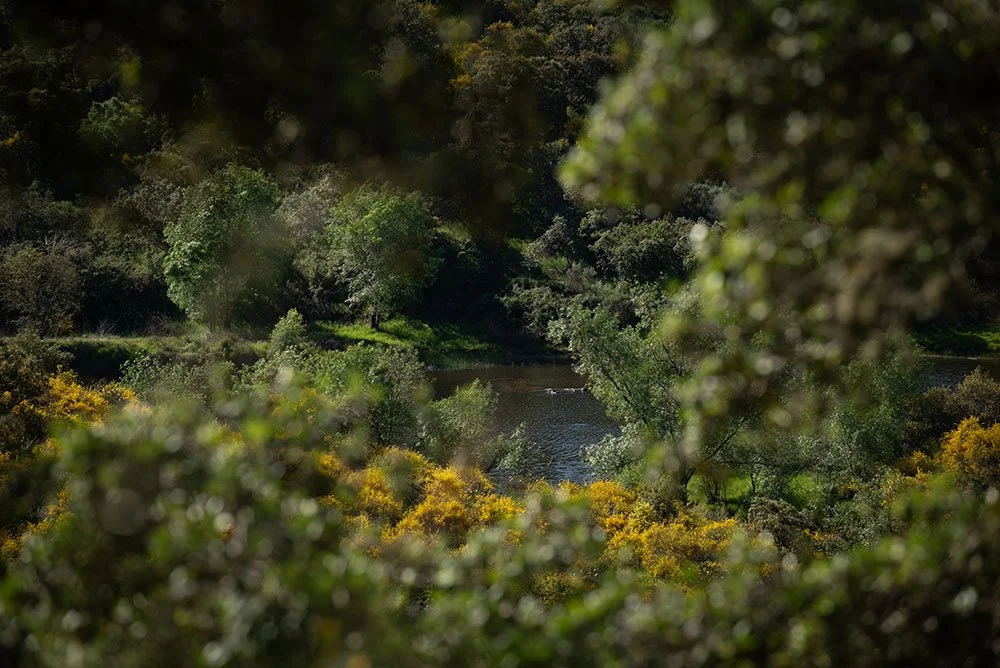
Regenerative Landscape Design
Focus on creating resilient and sustainable ecosystems.
-
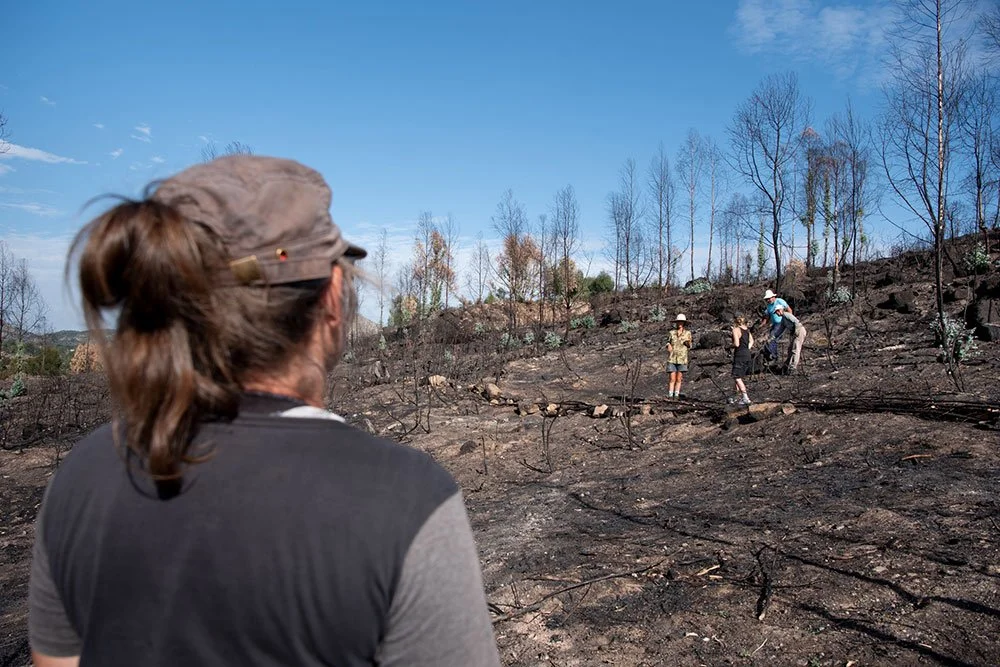
Regeneration of Burnt Areas
Restoration of ecosystems damaged by wildfires.
-
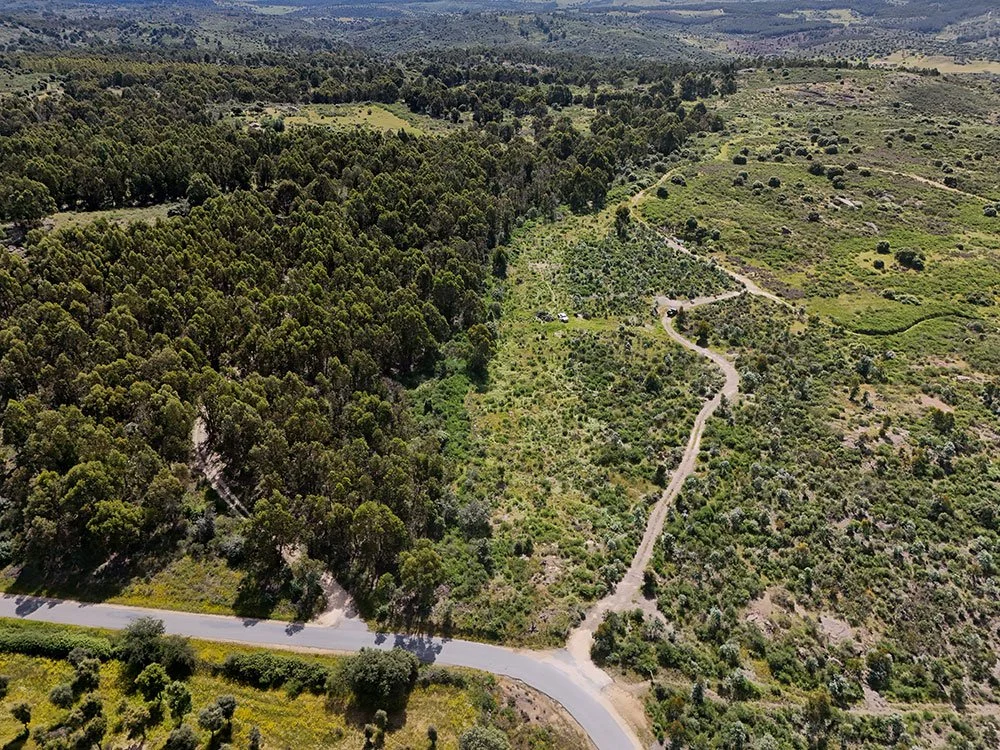
Green Firebreaks
Creation of natural barriers to prevent the spread of fires.
-
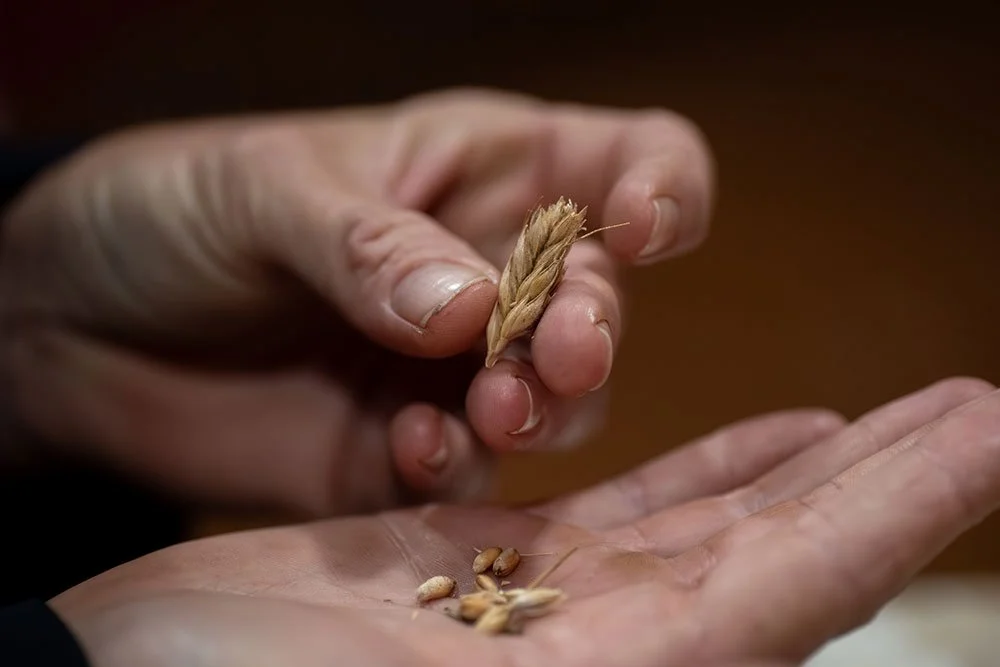
Regenerative Agriculture
Agricultural practices that improve soil health and biodiversity.
-
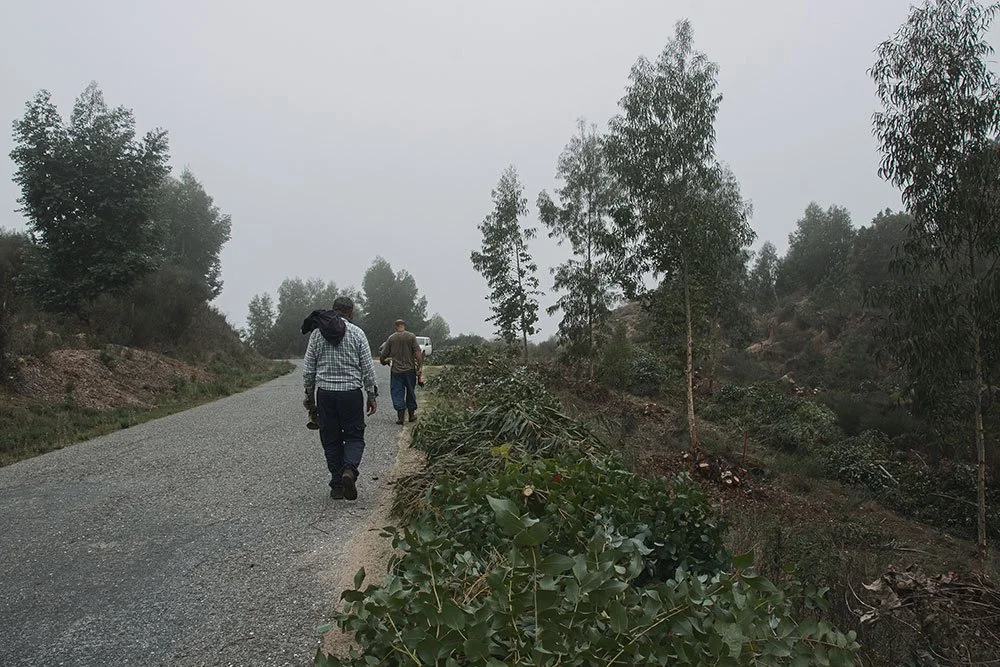
Forest Transition
Strategies to manage and restore forest ecosystems.
-
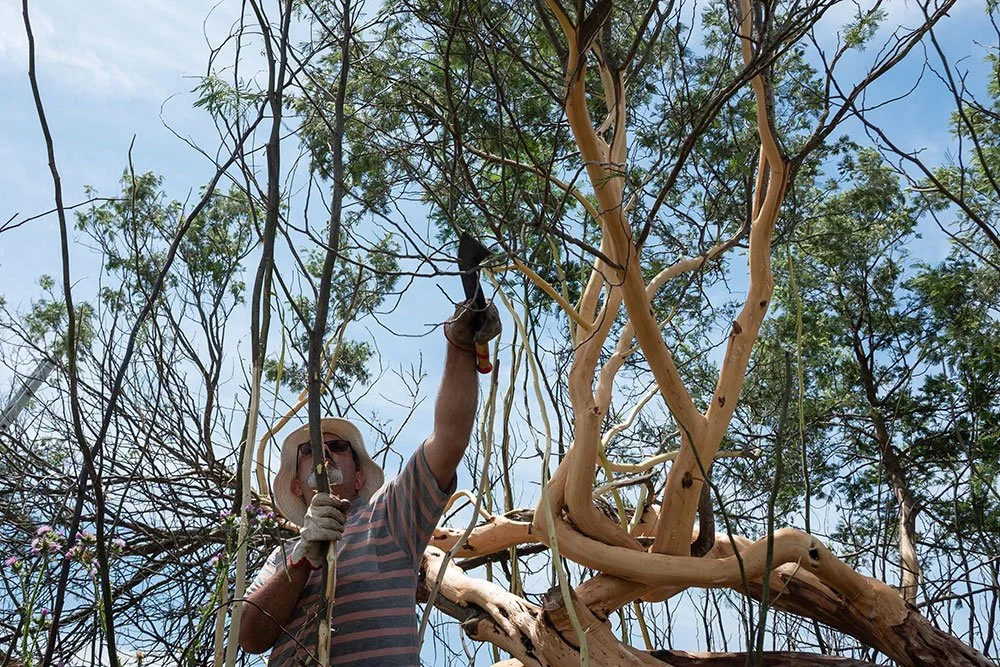
Control of Invasive Species
Management and eradication of species that threaten biodiversity.
-
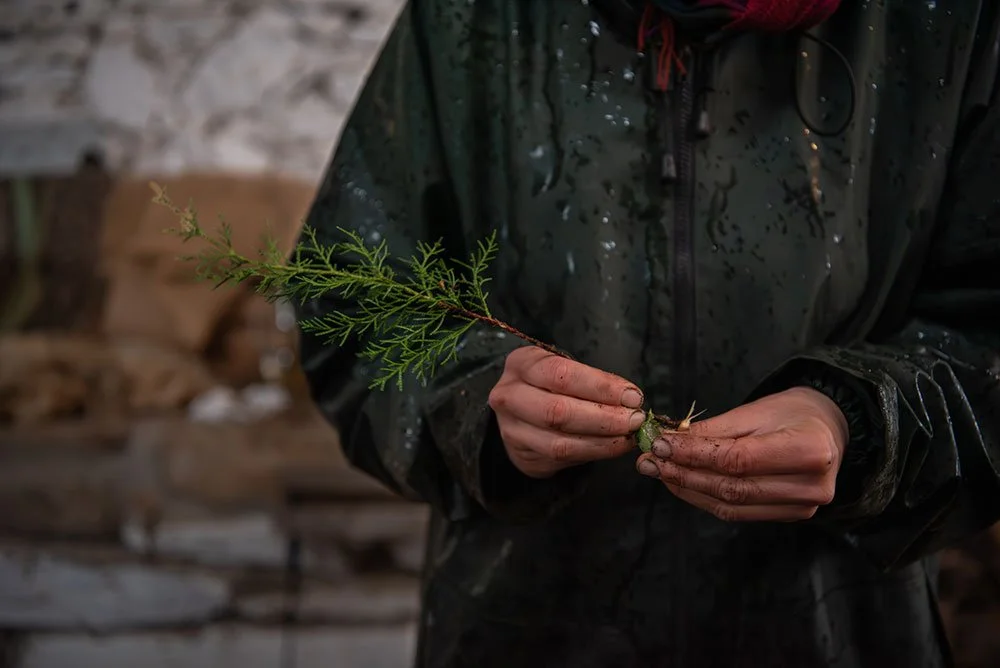
Biofencing
Use of plants to create natural barriers and protect habitats.
-
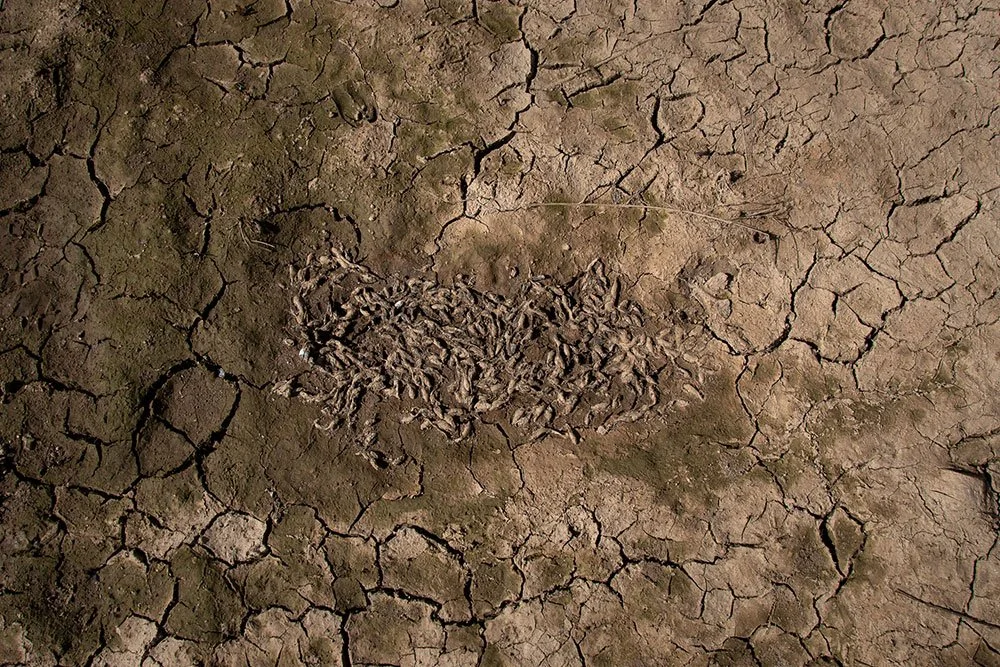
Hydrological Landscape Recovery
trategies to restore and manage water resources.
-
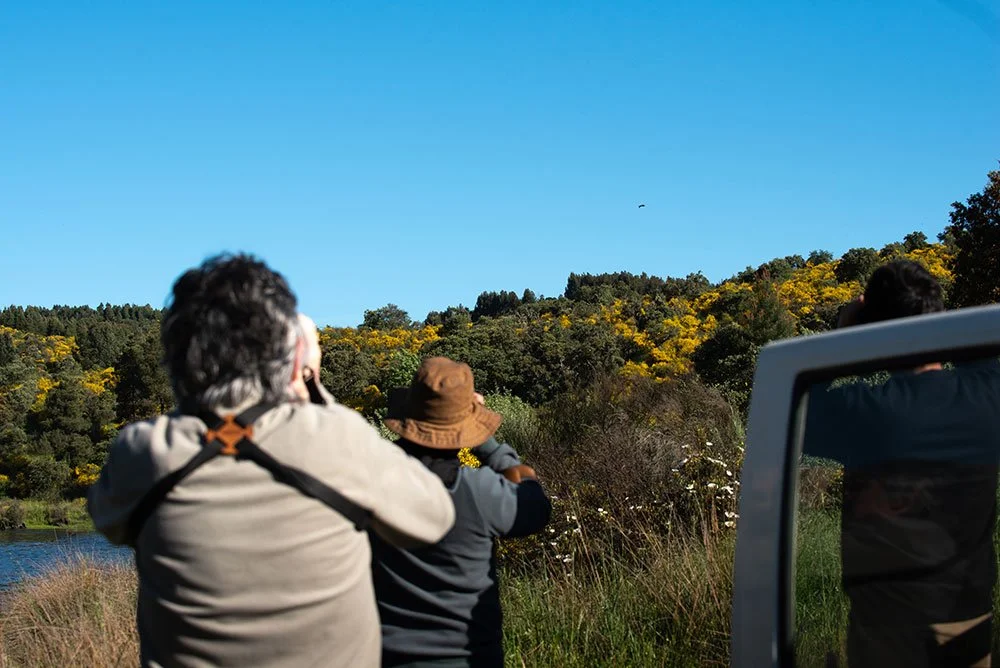
Bird Protection
Measures to protect and conserve bird species.
-
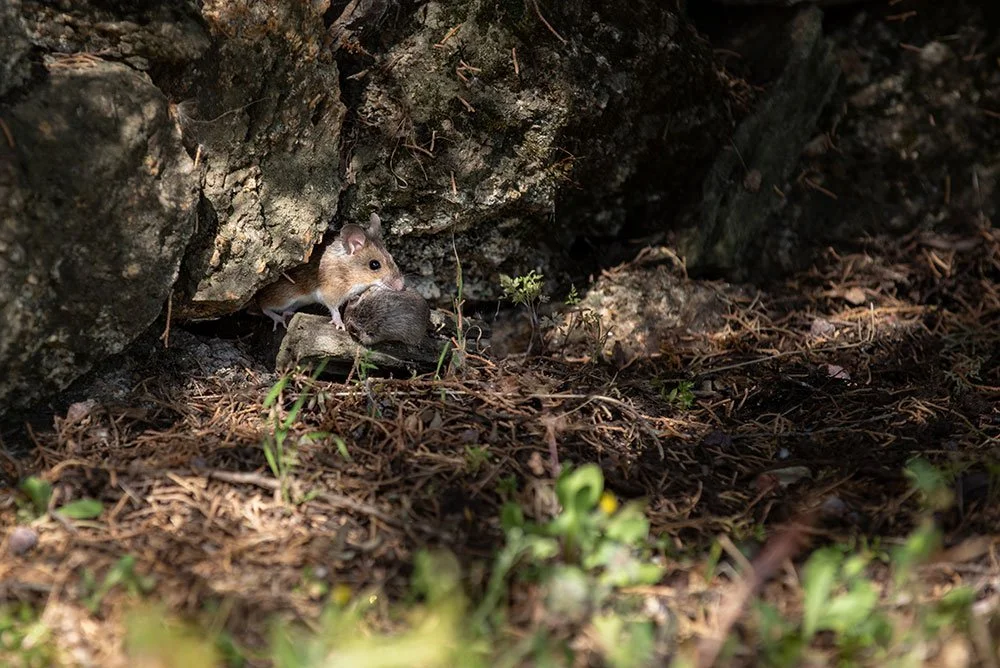
Wildlife Protection
Strategies to protect and conserve wildlife.
-
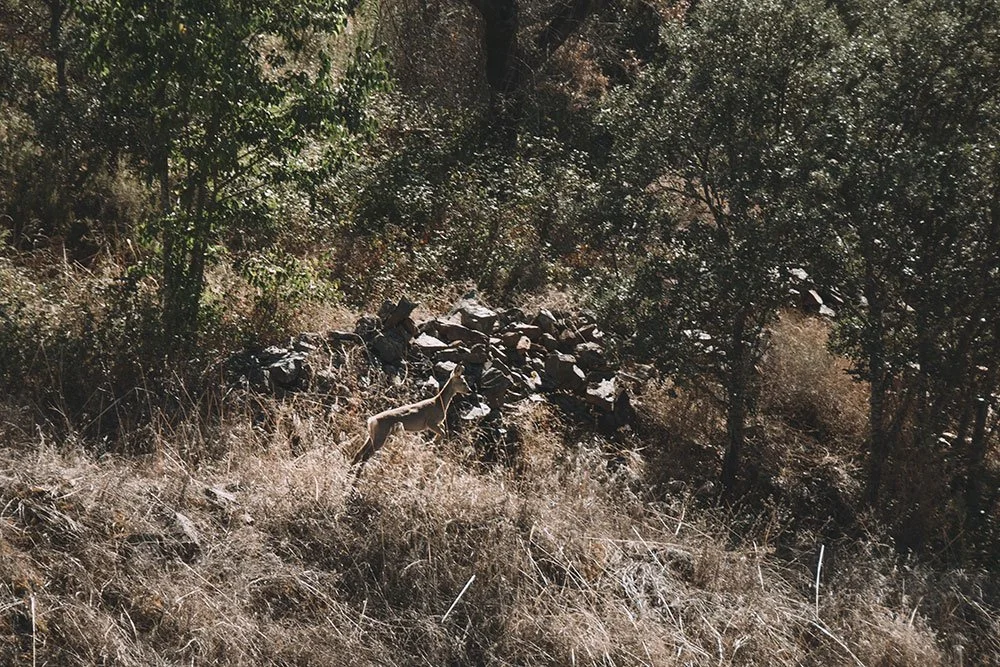
Sustainable Hunting Management
Hunting practices that ensure the health of wildlife populations.
-
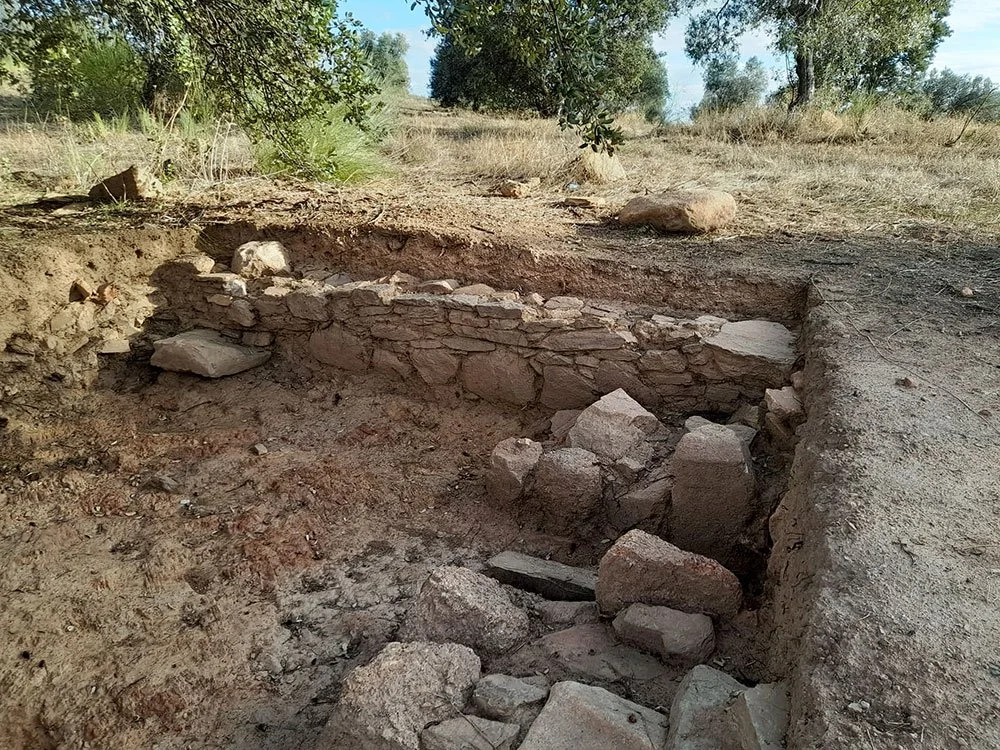
Archaeology and History
Study and preservation of historical and cultural sites.
-
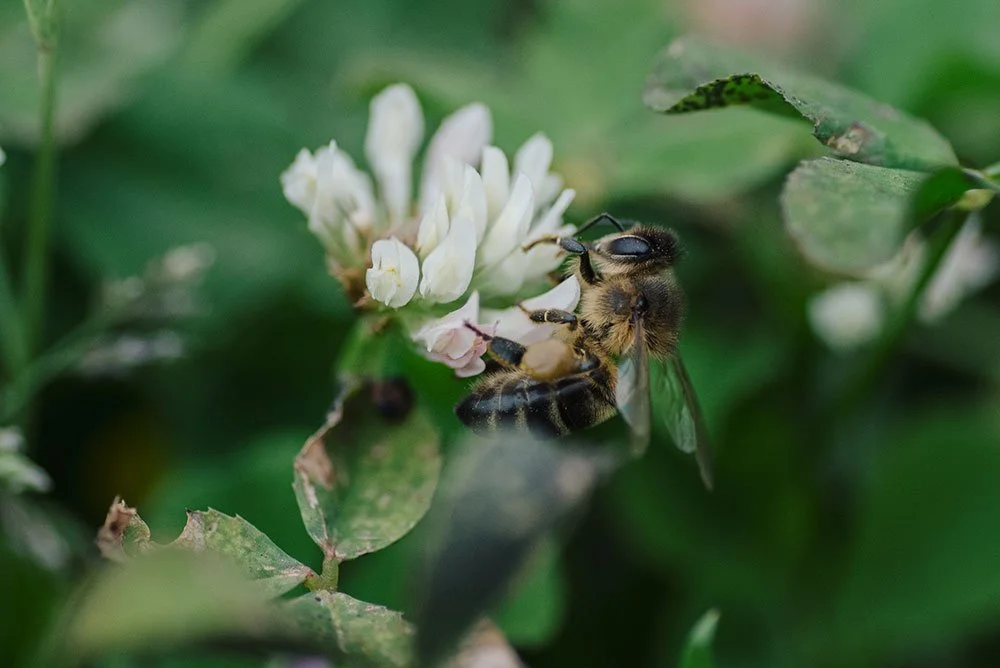
Wild Bee Protection
Measures to protect and conserve wild bee species.
-
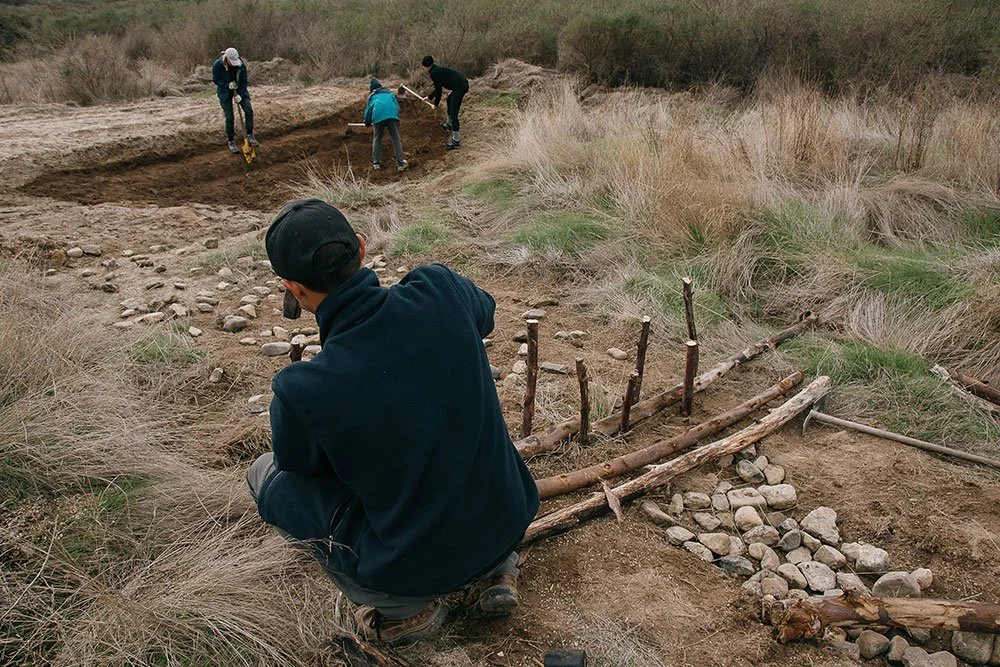
Volunteering
Community involvement in conservation and regeneration projects.
-
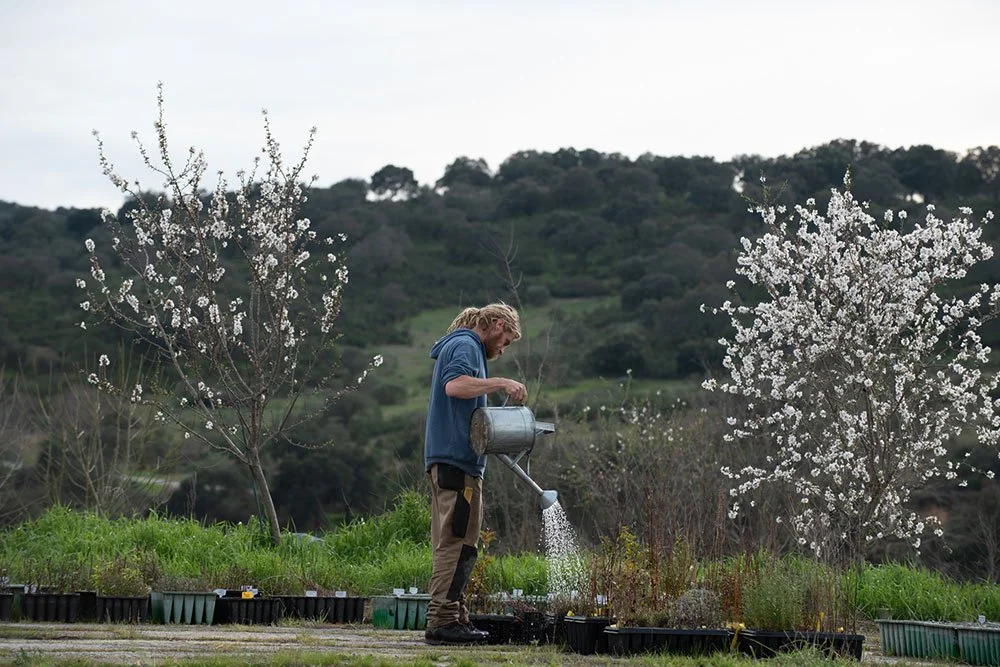
Development of the Eira Space
Creation of vibrant and sustainable community spaces.
-
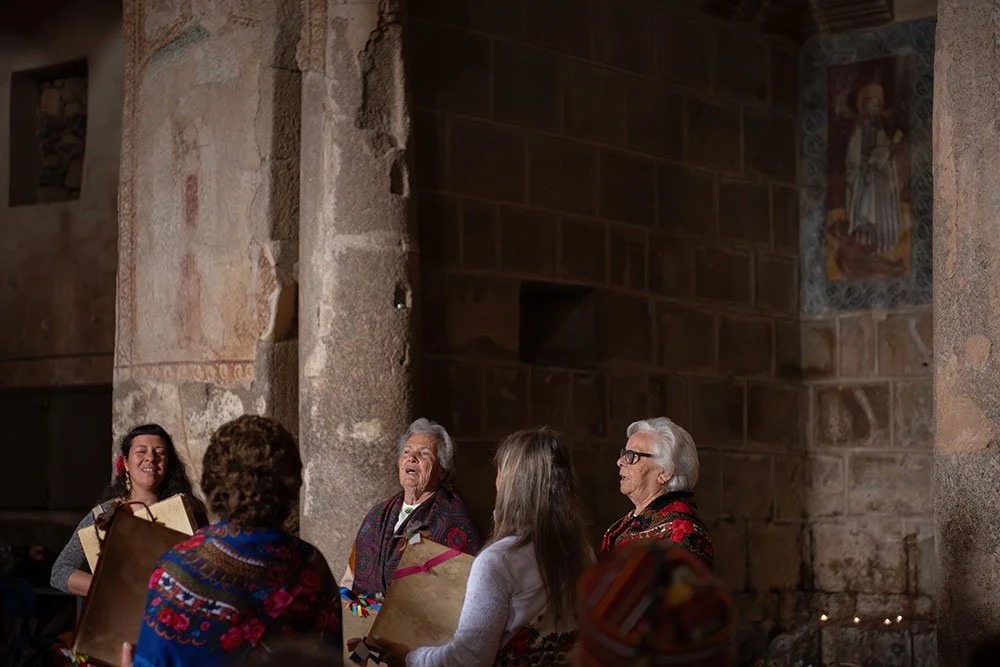
Cultural Project
Reactivation of biocultural practices, bringing together tradition, territory, and innovation..